
















The Oldest Horse Tendon Heat Studies
Louise Butcher • 9 March 2026
Studies on heating of tendons since 1994.....
The earliest and most foundational studies on the heating of horse tendons, specifically the Superficial Digital Flexor Tendon (SDFT), established that these structures experience significant in vivo hyperthermia during exercise, often reaching temperatures high enough to cause cell death (45°C or higher).
Key Oldest/Foundational Studies:
- Wilson and Goodship (1994): This is widely cited as one of the earliest, most critical studies measuring the heat produced inside tendons in vivo. Their work established that the core temperature of the SDFT can reach 45°C during high-speed locomotion, contributing to degenerative changes in equine athletes. They identified the relationship between tendon strain/hysteresis and heat generation.
- Birch et al. (1997): This study built upon the finding of high heat, demonstrating that temperatures of 45°C–48°C for as little as 10 minutes result in a rapid decline in tendon fibroblast (tenocyte) activity, leading to cell death.
- Yamasaki et al. (2001): Further in vitro studies confirmed that only 27% of tenocytes survive exposure to 45°C for 10 minutes, validating the high sensitivity of tendon cells to heat. National Institutes of Health (NIH) | (.gov)
- +3
Core Findings of Early Research:
- Hyperthermia Source: Tendon heat is a result of energy lost (hysteresis) as the collagen fibers stretch and recoil, not just friction.
- Critical Temperature: Core temperatures of the SDFT can reach 45°C (113°F) during galloping.
- Cellular Impact: Temperatures over 42.5°C (108.5°F) cause microdamage to tendon cells, and sustained temperatures of 45°C-48°C cause rapid cell death, leading to central core degeneration.
- Equine-Human Parallel: The equine SDFT is considered a model for the human Achilles tendon regarding heat-induced injury. National Institutes of Health (NIH) | (.gov)
- +4
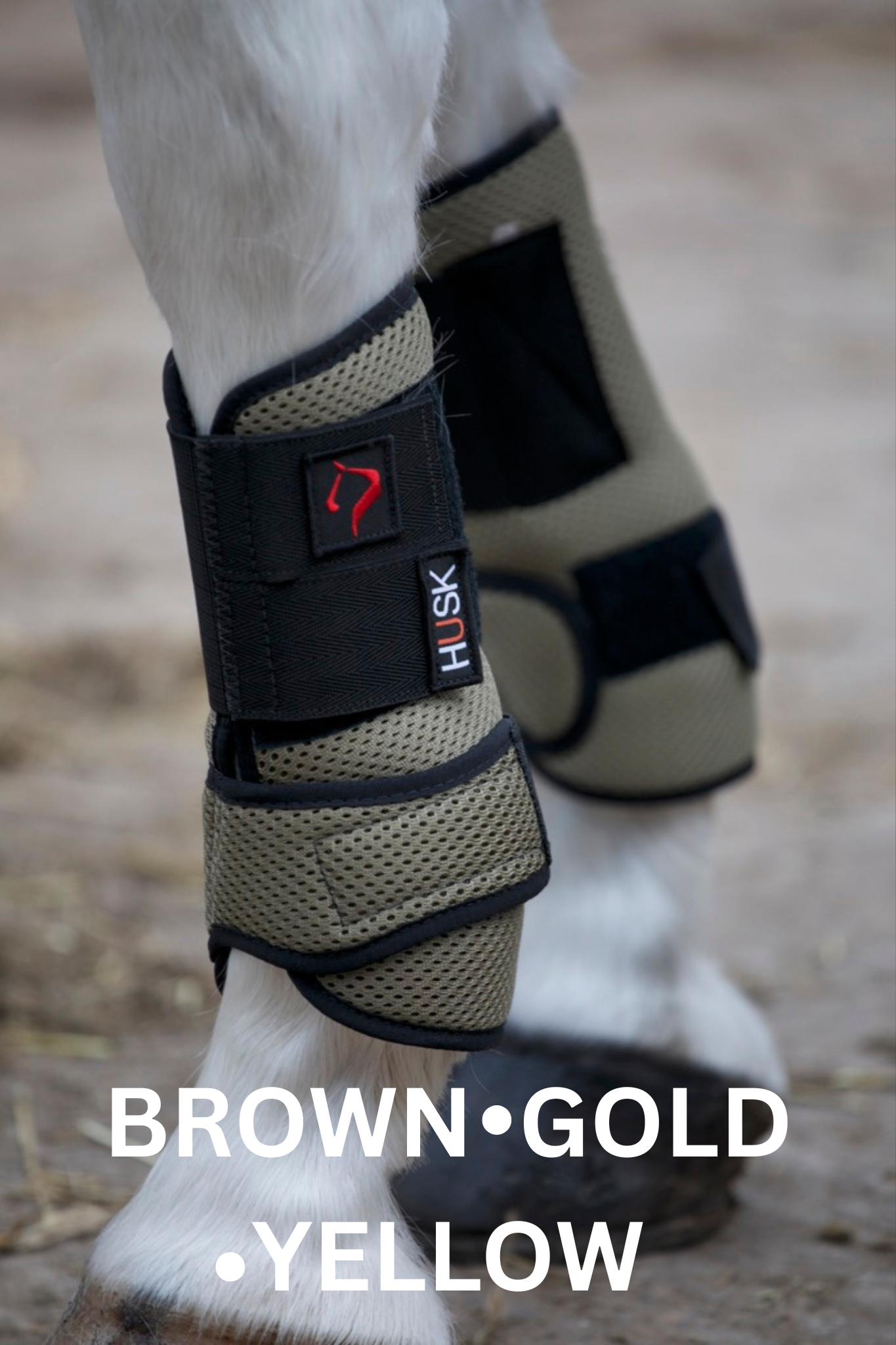
These foundational studies paved the way for modern research into how protective boots, wraps, and exercise regimes impact tendon health through heat retention.
