







Horse Leg Protection for Polo: Essential Safety Guide
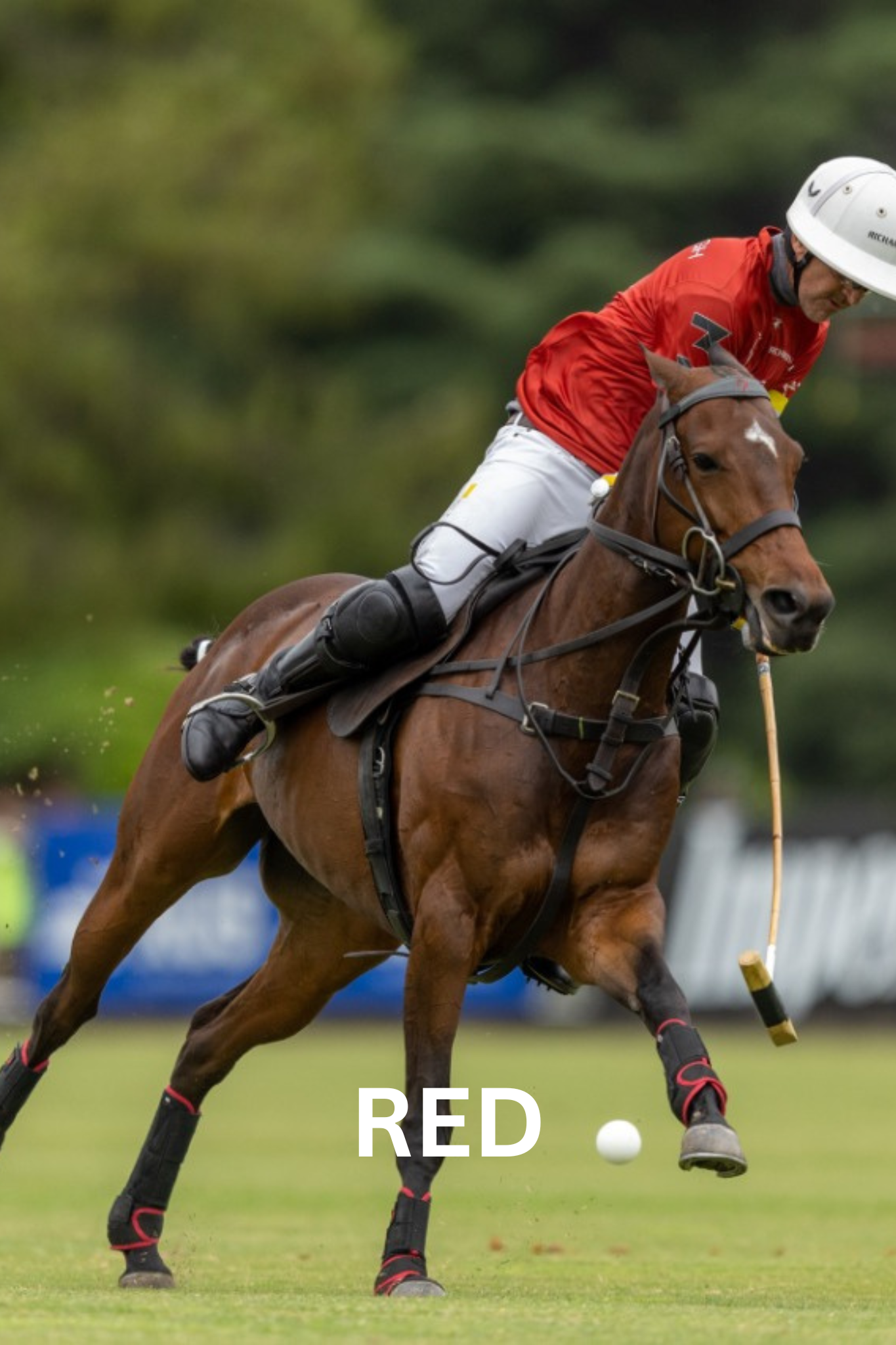
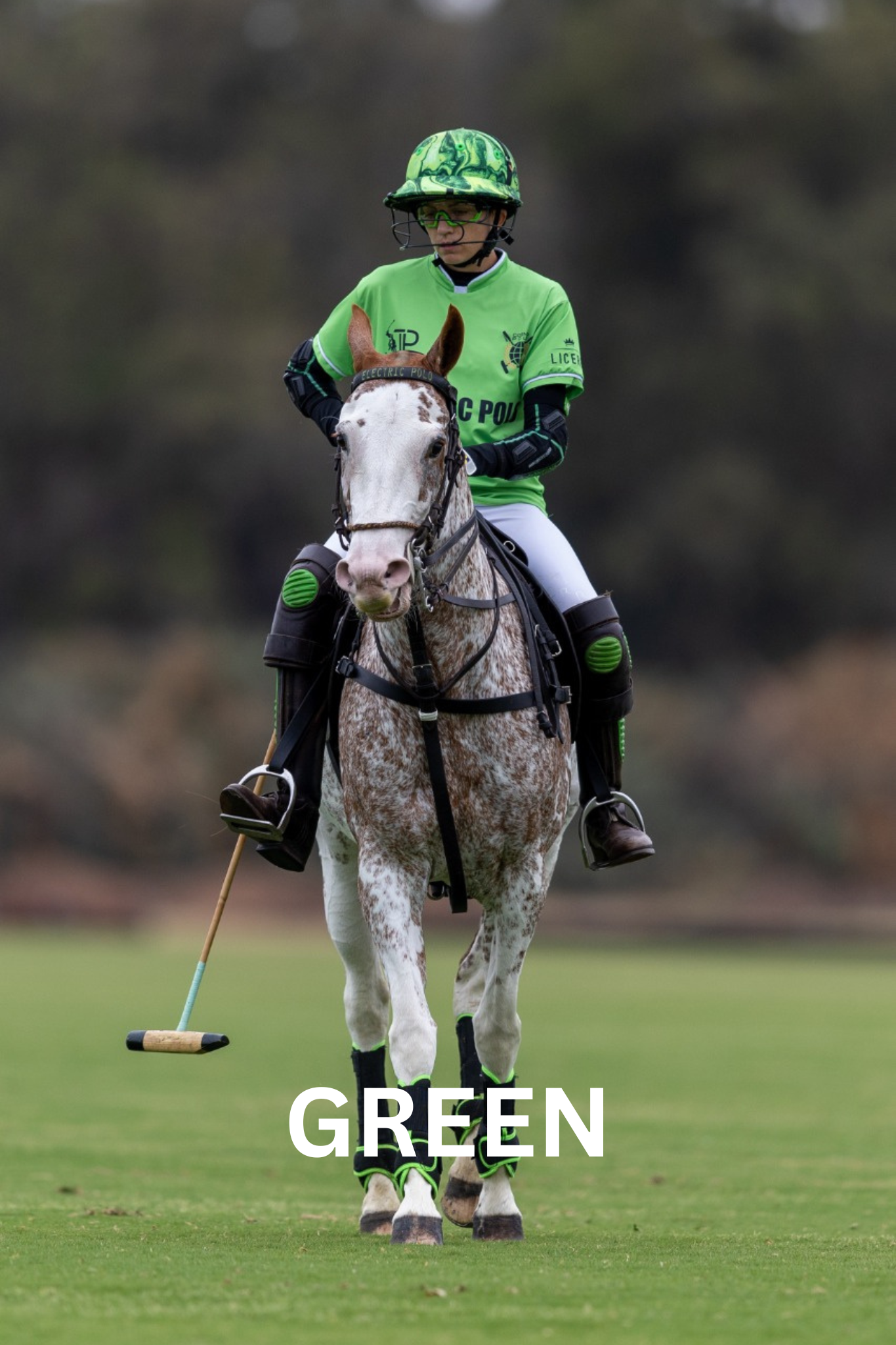
Horse leg protection for polo is essential to prevent career-ending injuries caused by high-impact mallet strikes, collisions, and extreme physical strain. Protective polo horse boots absorb shock, shield delicate tendons from accidental contact, and provide the necessary support for high-speed turns and sudden stops on the field.
Why is horse leg protection for polo so critical?
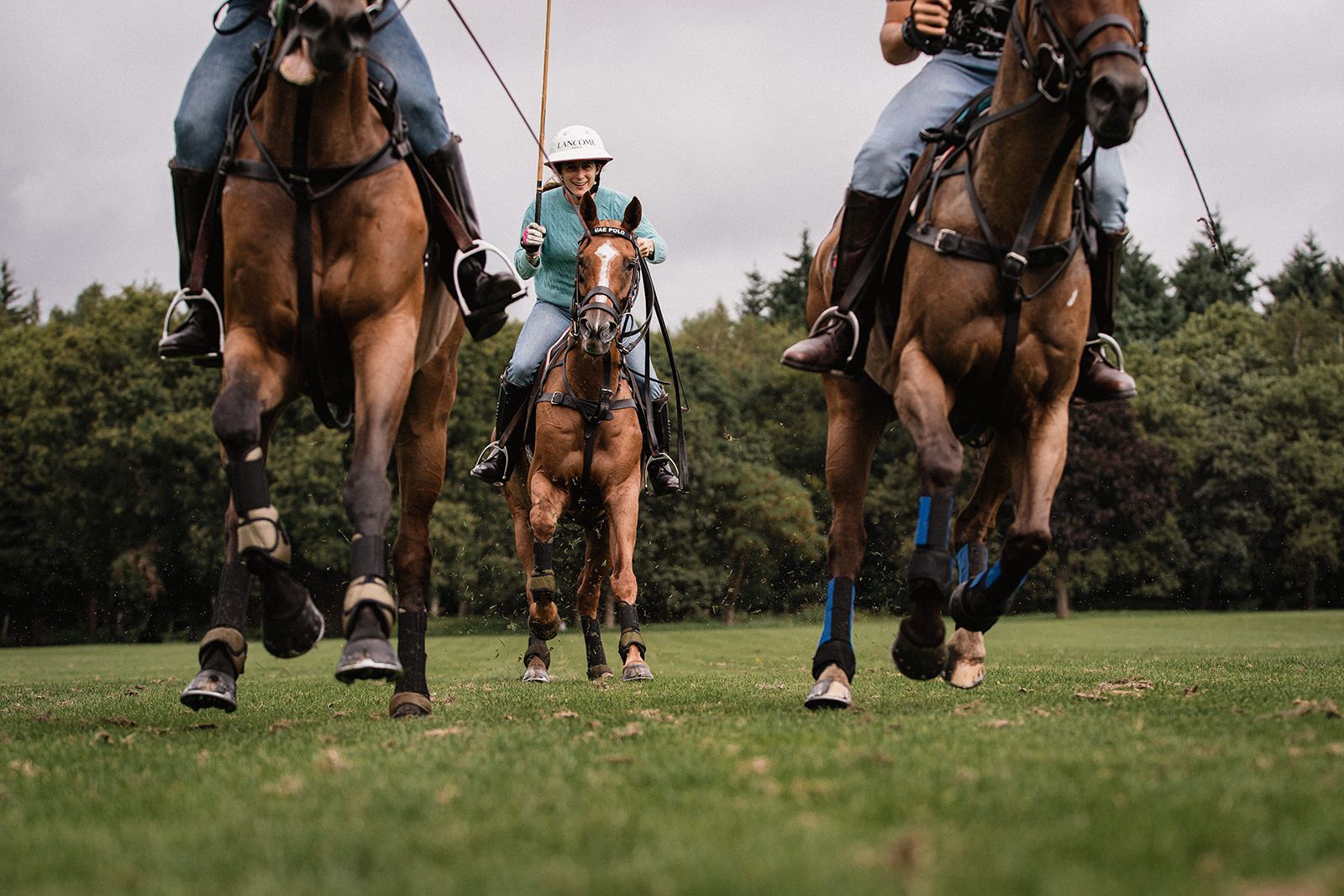
Polo is widely regarded as one of the fastest and most physically demanding sports in the equestrian world. The combination of high-speed gallops, sharp pivoting turns, and the close proximity of other horses creates an environment where injury is not just a possibility, but a constant threat. For the polo pony, the lower limbs are the most vulnerable area. These thin, delicate structures support a massive amount of weight while moving at speeds of up to 35 miles per hour. Without adequate horse leg protection for polo, a single misstep or a wayward mallet could result in a permanent, life-altering injury for the horse.
The role of a polo pony is unique. Unlike a dressage horse or a show jumper, a polo pony must engage in a high level of physical contact. 'Bumping' is a standard part of the game, where players use their horses to push opponents off the line of the ball. This contact often involves leg-to-leg friction or impact. When you combine this with the volatility of a polo mallet swinging at full force, the necessity for robust, high-performance gear becomes clear. Protecting these equine athletes is not just about performance; it is a fundamental welfare requirement for every player and owner.
Common Risks to Polo Ponies on the Field
To understand why we invest so heavily in protective technology at The Husk , one must first appreciate the specific hazards that occur during a typical chukka. The polo field is a chaotic environment where several high-risk factors converge simultaneously. Understanding these risks is the first step in mitigating them through superior equipment selection.
- Mallet Strikes: A full-force swing of a polo mallet carries significant kinetic energy that can easily fracture bone or crush soft tissue.
- High-Speed Collisions: Known as 'bumping,' these maneuvers involve direct body and leg contact between horses at high velocity.
- Sudden Stops and Turns: The extreme torque placed on tendons and ligaments during a sliding stop or a 180-degree turn is immense.
- Ball Impact: A polo ball is hard and travels at incredible speeds; a direct hit to an unprotected cannon bone can cause severe bruising or chips.
- Ground Surface Variability: Uneven turf or slippery conditions can lead to overreaching, where the hind hoof strikes the back of the front leg.
Each of these risks can lead to varying degrees of injury, from minor skin abrasions to catastrophic tendon ruptures. By using specialized polo horse boots, owners can provide a buffer that absorbs the energy of these impacts, spreading the force across a wider surface area and shielding the underlying structures from direct trauma.
How do mallet strikes affect a pony’s performance?
A mallet strike is perhaps the most distinctive risk in polo. Unlike other disciplines where the horse is primarily managing its own body, a polo pony must contend with external objects moving at high speed. When a mallet head strikes the lower leg, the immediate result is often acute pain, which can cause the horse to break its stride, lose focus, or even stumble. In a game where split-second reactions are everything, this loss of performance can be the difference between winning and losing a chukka.
Beyond the immediate impact, the long-term effects of mallet strikes are even more concerning. Repeated minor trauma to the periosteum (the membrane covering the bone) can lead to 'splints' or bony growths that cause ongoing lameness. Furthermore, a strike to the superficial digital flexor tendon can cause internal bleeding and scarring, which reduces the elasticity of the tendon. This loss of elasticity makes the pony far more susceptible to a complete 'bowed tendon' in the future. High-quality horse leg protection for polo is designed specifically to withstand these high-energy impacts, acting as a suit of armor for the pony's most vital assets.
What features should you look for in polo horse boots?
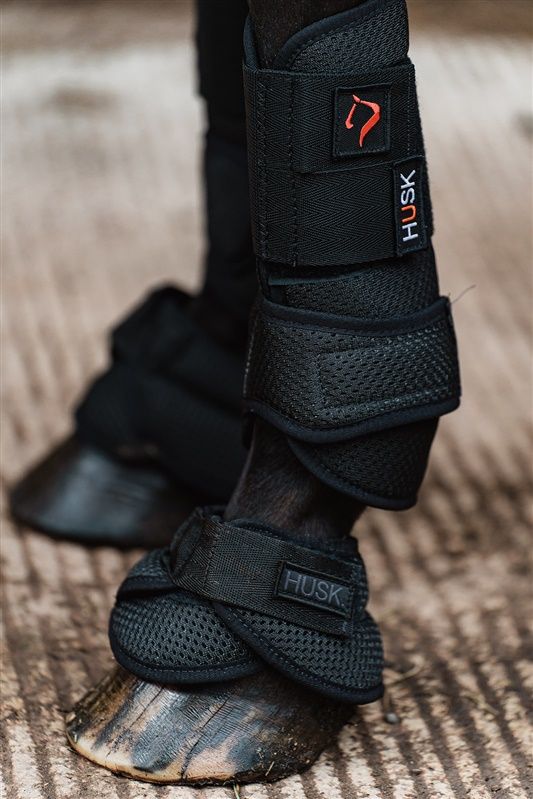
Not all protective gear is created equal. When selecting horse leg protection for polo, players must look beyond aesthetic appeal and focus on functional engineering. The requirements for polo are far more stringent than those for general schooling or leisure riding. Because the sport is so intense, the gear must be able to perform under extreme pressure without compromising the horse's natural movement or health.
- Maximum Impact Protection: The boots must have a reinforced strike zone capable of deforming to absorb energy from mallets and hooves.
- Full Coverage: Protection should wrap around the entire circumference of the leg to guard against lateral and medial impacts.
- Lightweight Construction: Heavy boots increase the effort required for every stride, leading to faster fatigue and reduced speed.
- Secure Fit: High-speed turns and deep turf require a fastening system that will not slip, even when wet or muddy.
- Extreme Breathability: This is perhaps the most overlooked feature, yet it is vital for preventing tendon degradation during exercise.
At The Husk , we emphasize that a boot is only as good as its ability to manage the microclimate around the horse's leg. While protection is the primary goal, it should never come at the cost of the horse's physiological wellbeing. This is why we have pioneered patented technologies that allow for massive airflow while still providing the rugged protection required for elite-level polo matches, such as those seen at Toulston Polo Club .
Why is heat a major risk for equine tendons?
One of the most dangerous hidden threats to a polo pony is thermoregulation—or the lack thereof. During high-intensity exercise, the tendons in a horse's leg generate a significant amount of heat. If this heat is trapped against the leg by thick, non-breathable materials like traditional neoprene, the temperature within the tendon can rise to levels that actually begin to kill off collagen cells. This process, known as 'cooking' the tendons, significantly weakens the structure and is a leading cause of tendonitis.
Traditional bandages and many standard boots act as insulators. While they may offer some impact protection, they create a 'greenhouse effect' that can lead to overheating within minutes of starting a chukka. This is a critical concern in polo, where horses are expected to perform in short, explosive bursts of energy. Science has shown that even a few degrees of temperature increase can have a detrimental effect on the longevity of a horse's career. This understanding is the cornerstone of Husk Technology & Environment research.
Why is breathability the key to long-term soundness?
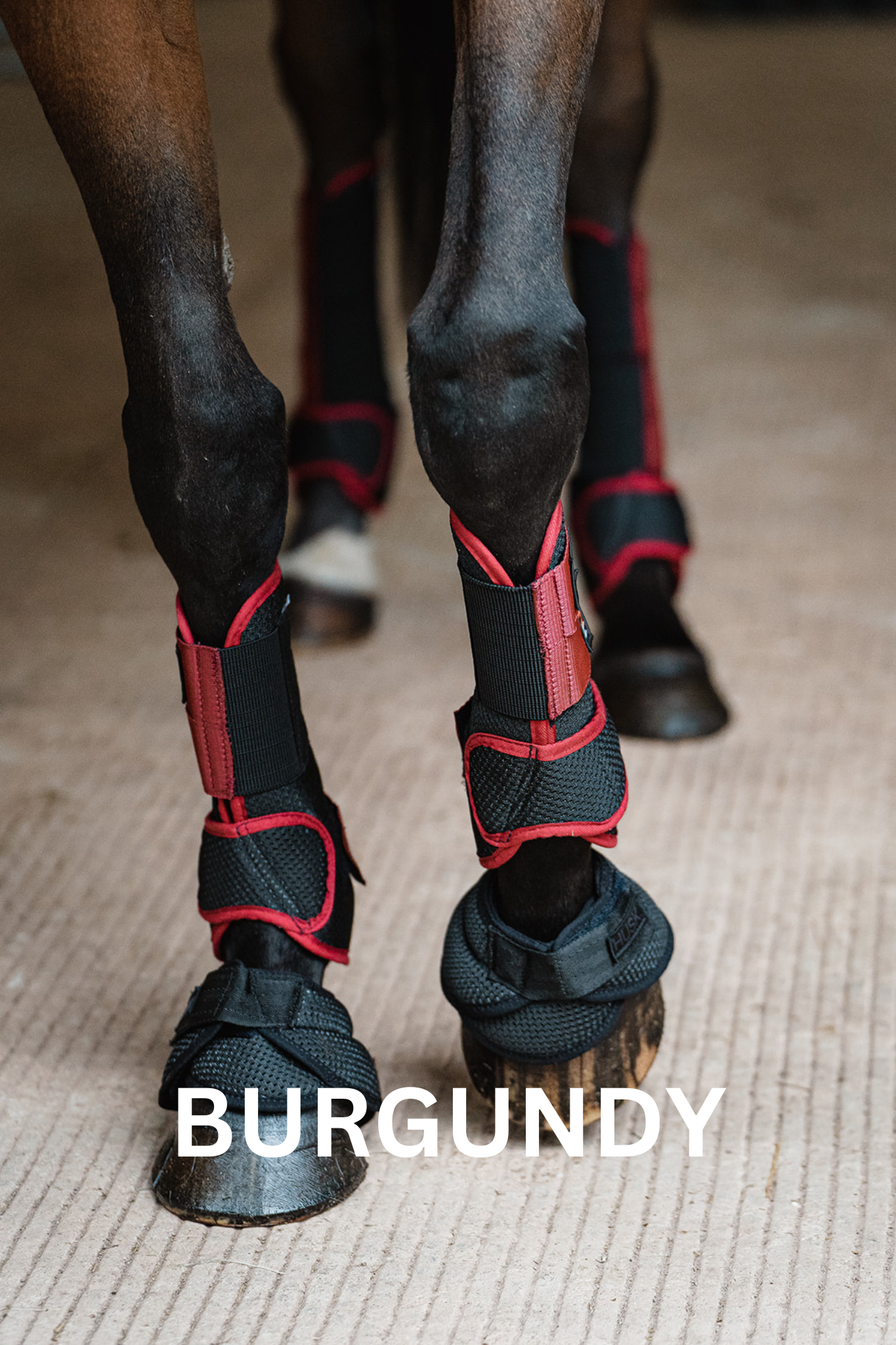
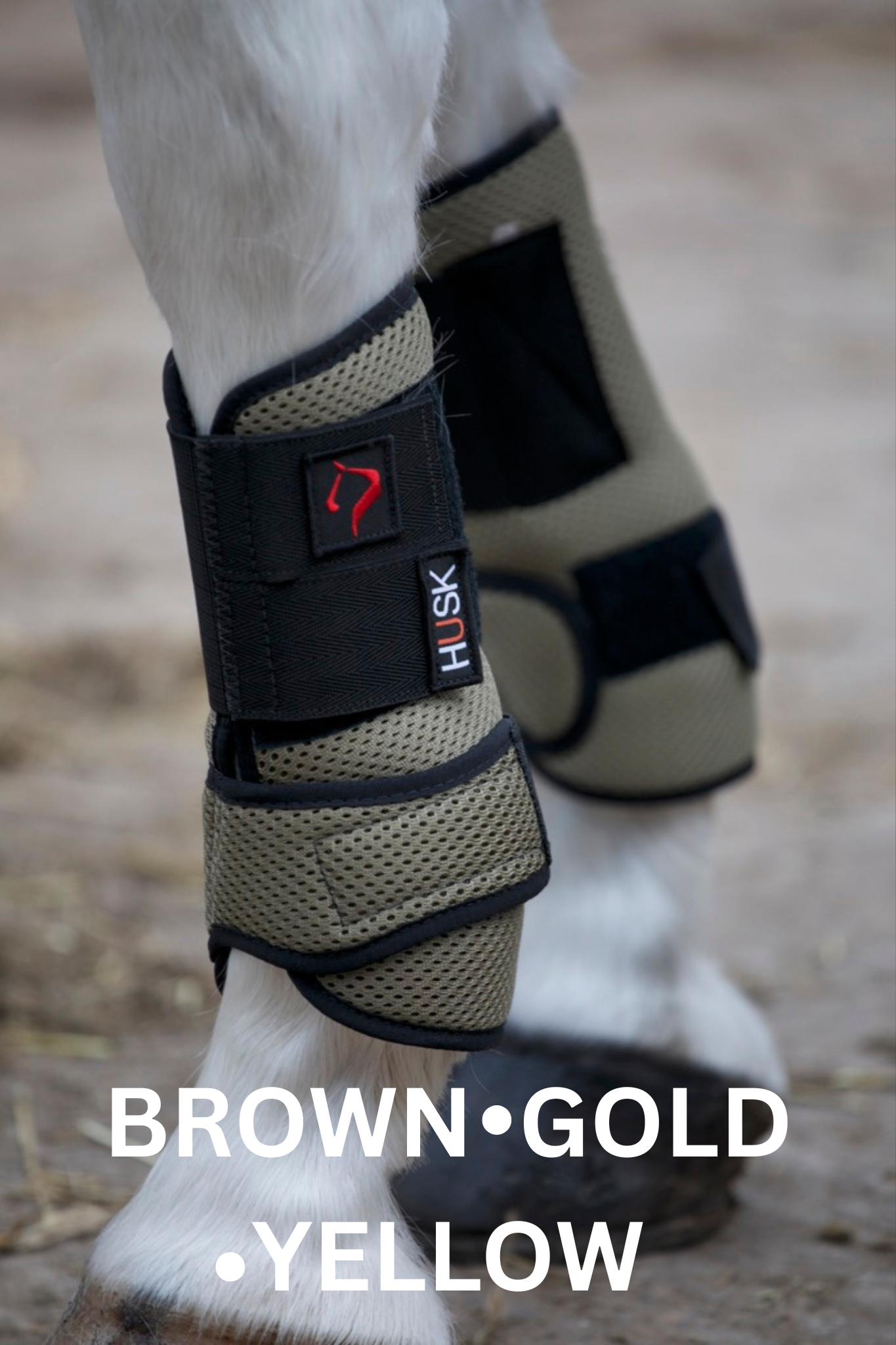
Breathability is the solution to the heat-retention problem. A truly breathable boot allows for 'convective cooling,' where the movement of the horse through the air creates a flow that carries heat away from the leg. In the context of horse leg protection for polo, this means using materials that have an open-weave or 3D-spacer structure. These materials do not just have 'vent holes'; they are inherently permeable to air and moisture across their entire surface area.
By keeping the tendons cool, we ensure that the collagen fibers remain strong and elastic. This elasticity is what allows a polo pony to land safely after a jump or push off for a sprint. When the leg stays cool, the horse feels more comfortable and is less likely to suffer from heat-related fatigue. For any serious player, ensuring that their FOR TEAMS equipment prioritizes thermoregulation is just as important as the mallet they choose to play with.
The Science Behind The Husk’s Patented Technology
The Husk was born out of a real-world necessity. When the founder's Thoroughbred, Tia, developed lymphangitis due to the heat and bacteria trapped by standard neoprene boots, it became clear that the industry needed a revolution. We didn't just want to make another boot; we wanted to create a solution backed by science. Our products are tested under strict veterinary surgeon supervision, utilizing thermal imaging to prove that our boots keep legs cooler than any traditional alternative.
Our patented 3D mesh technology provides a multi-layered approach to safety. The outer layers are tough enough to deflect mallet strikes and resist abrasions, while the internal structure is designed to facilitate a constant flow of air. This prevents the 'swelling' often seen after a game and ensures that the horse's skin remains healthy and free from the rubs or sores that can sideline a pony for weeks. We believe that by combining engineering with equine biology, we can provide the best possible horse leg protection for polo.
Made in the UK: Quality and Sustainability
Quality control is paramount when lives are on the line. Since 2021, all of our products have been sourced and manufactured right here in the UK. This local approach gives us direct access to our manufacturers, ensuring that every stitch meets our rigorous standards. We don't believe in mass-producing gear in distant factories; we believe in craftsmanship and accountability. This proximity allows us to respond quickly to the needs of the polo community and maintain a level of quality that is simply not possible with overseas manufacturing.
Furthermore, sustainability is at the heart of what we do. We utilize up-cycled fabrics wherever possible and work tirelessly to minimize off-cut waste. By producing locally, we dramatically reduce our carbon footprint, avoiding the environmental cost of long-distance shipping from Asia. When you choose our polo horse boots, you aren't just protecting your pony; you are supporting a business that is kind to the planet and committed to boosting the home economy. It is a choice that reflects a commitment to excellence in every aspect of the sport.
Choosing the Right Gear for Your Team
Selecting the right horse leg protection for polo is a decision that should be made with both the horse and the player in mind. For professional teams, consistency and reliability are key. Having gear that can be easily cleaned, dried, and reapplied between chukkas is essential for a busy match day. Our boots are designed for easy maintenance, ensuring they remain hygienic and effective throughout the season. If you have questions about which style is best for your string, you can always Contact Us for expert advice.
Protecting Your Polo Pony: Key Takeaways
Investing in the right equipment is the most effective way to ensure your polo ponies remain sound and competitive for years to come. By prioritizing impact protection and breathability, you are addressing the two most significant risks on the polo field.
- Prioritize Breathability: Avoid neoprene and choose materials that allow for heat dissipation.
- Check for Mallet Resistance: Ensure the strike zone is robust enough to handle high-velocity impacts.
- Maintain Proper Fit: A slipping boot can cause more harm than good; ensure a secure, ergonomic fit.
- Support Sustainability: Choose UK-made products to reduce environmental impact and ensure quality.
- Monitor Tendon Heat: Use boots that are vet-tested and proven to maintain lower leg temperatures.
Ultimately, the safety of the horse is the foundation of the sport of polo. By providing the best horse leg protection for polo, we honor the incredible athletes that make this game possible, allowing them to perform at their peak while staying healthy and protected.
